Loading the post…
Various Manhaj Benefits From al-Allāmah Shaykh Rabīʿ Bin Hādī al-Madkhalī
abuiyaad.com (opens in a new tab)(English)
A series of manhaj benefits from Shaykh Rabīʿ bin Hādī, Shaykh Aḥmad al-Najmī, Shaykh ʿUbayd al-Jābirī and Shaykh Zayd al-Madkhalī (رحمهم الله) regarding scholarly integrity, always seeking evidence and truth, avoiding bigotry, accepting the reports of the trustworthy, not restricting daʿwah affairs to one or two shaykhs and how to treat Ahl al-Sunnah and Ahl al-Bidʿah.
We praise and thank Allāh (عز وجل) for providing us with scholars of the calibre of Shaykh Rabīʿ bin Hādī, Shaykh Aḥmad al-Najmī, Shaykh ʿUbayd al-Jābirī, Shaykh Zayd al-Madkhalī (رحمهم الله) and others, all of whom authored tremendous works in methodology and have important statements and clarifications which are concise and full of important principles. With this important contribution, they have provided Ahl al-Sunnah with a solid criterion to judge the words and deeds of those who claim attachment to the Salafī methodology. This knowledge of the scholars does not die with them but remains for the ummah and provides them with milestones of truth along the path for all those who come after them.
abuiyaad.com (opens in a new tab)(English)
abuiyaad.com (opens in a new tab)(English)
abuiyaad.com (opens in a new tab)(English)
abuiyaad.com (opens in a new tab)(English)
Shaykh Abu al-‘Abbas Bilāl ibn ʿAbd al-Ghanī al-Sālimī
Episode One: “Constant silence and constant neutrality is a betrayal of the truth”
Episode Two:
Abandon Reckless Partisanship: “How Can You Leave Me?! You Doubt Me!”
Episode Three:
“It is not permissible to say: ‘This one is Salafi in creed (Aqidah) but Activist (ḥarakī) in methodology (Manhaj).’”
Episode Four: “Be with the coalition, Be with Saudi Arabia”
Shaykh Abū ʿAbd al-Raḥmān Fuʾād ibn Mūsā al-Tūnisī
Episode One:
The Obligation to Frequently Engage the Mistaken Adherent to the Sunnah in Discussion and Clarify the Points of Error and Misconception
In order to absolve the methodology and the Sunnah from the effects and consequences of his mistake
Episode Two:
If We Do Not Clarify the Refutation of Them With Firmness, It Will Be Deemed Authentic From Them, and Thus Something That Is Not From the Religion Will Be Attributed to the Religion
Episode Three:
When Presenting Evidence, Leave Aside the Names of Individuals
Episode Four:
For This Reason, Allah Elevated Them and Caused Their Mention to Endure
They would become jealous even over the smell of his riding animal ﷺ—so what about his followers today?!
Episode Five:
From the Way of Ahl al-Sunnah During Times of Tribulation:
The Necessity of Taking Positions of Firmness and Resolve
Episode Six:
For You to Keep Company with People Who Make You Fear Until You Attain Security Is Better Than to Keep Company with People Who Make You Feel Secure Until You Are Overcome by Fear
Episode Seven:
When Tribulations Occur, They Are Responded to With Evidence and Proofs
So That Accusations Are Repelled and the Path Becomes Clear
Episode Eight:
The Word of Truth and the Statement of Truth Are Supported
They Must Have an Effect, Even If They Are Rejected
So Purify Your Intention and Ask Allah for Sincerity
Episode Nine:
Study with Understanding, Not Blind Following — and Detailed Clarification Is the Weapon of Ahl al-Sunnah and Truth
Episode Ten:
The Permissibility of Enjoining the Good and Forbidding the Evil Against One Who Contradicts the Foundations of the Qur’an and Sunnah
Through Gentle Speech or Harsh Speech, Taking the Consequences and Outcomes Into Consideration
Episode Eleven:
Their Falling Into Error While Being People of Righteousness Necessitates Excusing Them, Not Following Them
Episode Twelve:
Let None of You Make a Man the Standard by Which He Follows His Religion
Whoever Takes an Example Should Take as His Example Those Who Have Passed Away
abuiyaad.com (opens in a new tab)(English)
abuiyaad.com (opens in a new tab)(English)
How a Firm Grounding in the Manhaj Steadies a Man Amid Trials, and Why the Youth Were Called to Knowledge in the Age of Strangeness
Written by:
Shaykh Fawwāz ibn ‘Alī al-Madkhalī
Al-ʿAllāmah ʿAbd al-Raḥmān ibn Nāṣir al-Saʿdī (رحمه الله)
Commentary on a Methodological Benefit by Imām Rabīʿ ibn Hādī al-Madkhalī
Shaykh Nizār ibn Hāshim al-ʿAbbās
Shaykh Abu Iyaad Amjad Rafiq
abuiyaad.com (opens in a new tab)(English)
Shaykh Abu Iyaad Amjad Rafiq
abuiyaad.com (opens in a new tab)(English)
Shaykh Abu Iyaad Amjad Rafiq
abuiyaad.com (opens in a new tab)(English)
Shaykh Abu Iyaad Amjad Rafiq
abuiyaad.com (opens in a new tab)(English)
Shaykh Abu Iyaad Amjad Rafiq
abuiyaad.com (opens in a new tab)(English)
Shaykh ʿAlī al-Ḥudhayfī
Shaykh Abu Iyaad Amjad Rafiq
abuiyaad.com (opens in a new tab)(English)
Shaykh ʿAlī al-Ḥudhayfī
Shaykh Abu Iyaad Amjad Rafiq
abuiyaad.com (opens in a new tab)(English)
Shaykh Abu Iyaad Amjad Rafiq
abuiyaad.com (opens in a new tab)(English)
Shaykh ʿAlī al-Ḥudhayfī
Shaykh ʿAlī al-Ḥudhayfī
Shaykh ʿAlī al-Ḥudhayfī
abuiyaad.com 1 (opens in a new tab)(English)
Read the full response:
abuiyaad.com 2 (opens in a new tab)(English)
Original question:
abuiyaad.com 3 (opens in a new tab)(English)
Shaykh ʿAlī al-Ḥudhayfī
Translated by Shaykh Abu Iyaad
Follow the Abu Iyaad SP channel on WhatsApp:
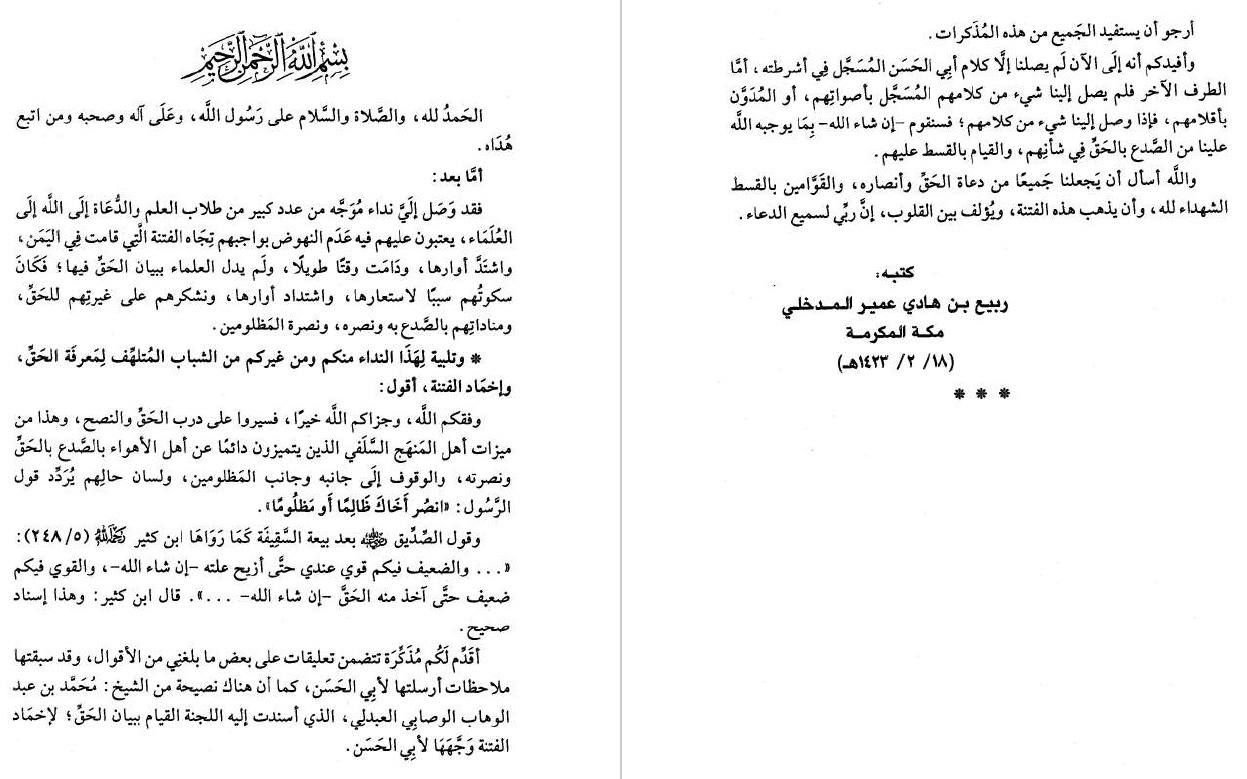
Shaykh ʿAlī al-Ḥudhayfī
Shaykh Abu Iyaad Amjad Rafiq
abuiyaad.com 1 (opens in a new tab)(English)
Direct download (PDF, 6 pages):
abuiyaad.com 2 (opens in a new tab)(English)
Shaykh Nizār ibn Hāshim al-ʿAbbās
Shaykh Abu Iyaad Amjad Rafiq
abuiyaad.com (opens in a new tab)(English)
Shaykh Abu Iyaad Amjad Rafiq
abuiyaad.com (opens in a new tab)(English)
Shaykh Abu Iyaad Amjad Rafiq
abuiyaad.com (opens in a new tab)(English)
Shaykh Abu Iyaad Amjad Rafiq
abuiyaad.com (opens in a new tab)(English)
1. Shaykh Rabīʿ’s Approach to Doubts, Endless Debates, and Anonymous Partisans
2. Shaykh Rabīʿ’s Defence of Shaykh al-Albānī and the Salafi Methodology
3. The Methodology of Ahlus-Sunnah in Warning Against Individuals and Clarifying Deviations with Evidence
4. Shaykh Ṣāliḥ al-Fawzān on the Two Categories of Refutations: Beneficial and Harmful
5. Shaykh Ṣāliḥ al-Fawzān on the Fate of the Transgressing Group and the Just Group
6. Shaykh ʿUbayd al-Jābirī on Not Restricting Salafiyyah to Specific Individuals
7. Shaykh Muqbil al-Wādiʿī on the Patience and Steadfastness of Ahlus-Sunnah
8. Shaykh ʿAbd al-Salām Burjis on Those Who Outwardly Claim the Sunnah to Divide Ahlus-Sunnah
9. The Quṭbiyyūn’s Attacks on the Scholars and Their Fear of Ahlus-Sunnah’s Criticism
10. Shaykh Rabīʿ on the Quṭbiyyūn and Ḥaddādiyyah’s Attacks on Ahlus-Sunnah
11. Shaykh Rabīʿ al-Madkhalī on the Harm Caused to Islam by Sayyid Quṭb
12. Five Types of People Who Fall into Trials and Tribulations and Their Harm to the Daʿwah (Trans)
13. Shaykh Rabīʿ on the Incorrect Principle That Only a Scholar May Refute a Scholar
14. Shaykh Rabīʿ al-Madkhalī on Abandoning Blind Following and Fanaticism in Favour of the Truth
15. Abū al-Ḥasan’s Fitnah: The Danger of Fanaticism and Exaggerating Scholars’ Commendations
16. Three Types of People Who Fuel Tribulations and Two Through Whom Allah Brings Them to an End
17. Shaykh Rabīʿ al-Madkhalī on Whether Every Refutation Must Come from a Scholar Firmly Grounded in Knowledge
18. Silence Is Not Always Salvation: The Obligation to Clarify the Truth and Not Remain Silent About Falsehood
19. Shaykh Aḥmad an-Najmī on the Signs of Partisanship and the Obligation to Avoid Its People
20. Shaykh Aḥmad an-Najmī on Avoiding Excessive Argumentation and Prioritising Beneficial Knowledge
21. Shaykh Aḥmad an-Najmī on Who Is Responsible for Dividing Ahlus-Sunnah and Causing Disunity
22. Shaykh Ṣāliḥ al-Fawzān on Leaving Trials and Tribulations to the Scholars of Knowledge and Insight
23. Shaykh Muqbil al-Wādiʿī on Rejecting the Criticism of Great Scholars by Discredited Individuals
24. Opposing Clear Proofs with the Testimonies of Fanatical Laypeople and Inexperienced Students
25. The Signs of Fanaticism: Ignoring Serious Wrongdoing While Relentlessly Attacking a Man of Honour
26. Shaykh Muqbil: The Prolonged Patience, the Attacks Against the Caller, and the Silence of Those Who Could Have Intervened
27. Shaykh ʿAlī al-Ḥudhayfī on the Virtues of Shaykh Yāsīn al-ʿAdanī and the Importance of Preserving His Knowledge
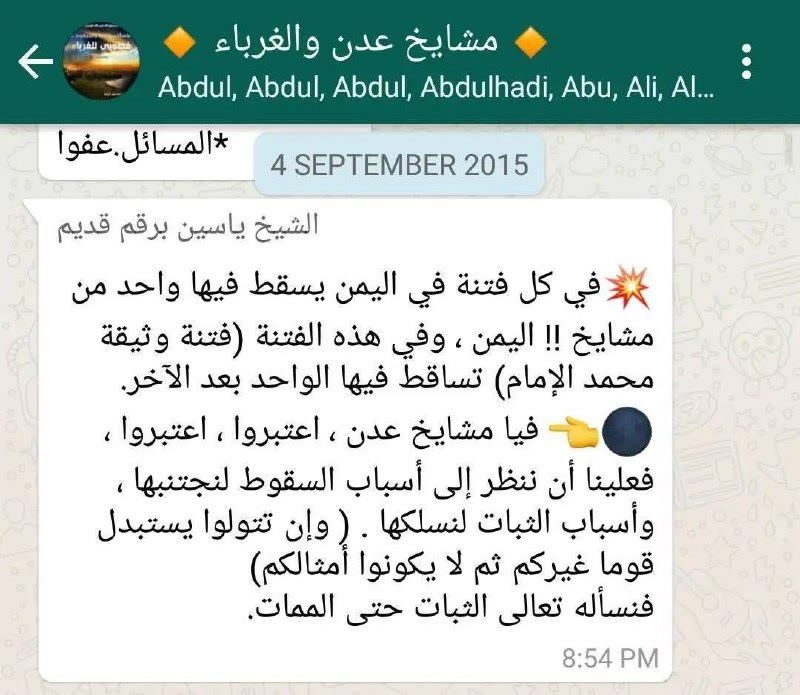
1. Shaykh Muqbil al-Wādiʿī: The realities will be exposed, and the confusion will disappear, no matter how hard the impostors try to obscure the truth.
Selected by Shaykh Dr. Abdullah Khayri
2. Shaykh ʿAbd al-Raḥmān al-Muʿallimī al-Yamānī: The Effect of Enmity on the Acceptance of Testimony
(Refutation of the doubt raised by Aḥmad Bādkhan and others among the tails (followers) of the “New Party,” which is their rejection of the testimonies of the Salafis, claiming that testimony whose origin is enmity is not accepted.)
Selected by Shaykh Dr. Abdullah Khayri
3. The Obligation to Assist the Ruler in Fighting the Rebels and Khawārij
[A Clarification of Asʿad al-Zaʿtarī’s Ignorance of the Foundations of the Sunnah and His Deviation from Them, and an Explanation of the Obligation of the Subjects to Assist the Ruler in Fighting the Rebels and the Khawārij]
Shaykh Dr. ʿAbdullāh Khayrī
4. Shaykh Rabīʿ al-Madkhalī’s Refutation of Abū al-Ḥasan al-Maʾribī’s Treacherous Practice of Truncating Statements and Taking Them Out of Context
(In Response to ʿArafāt al-Muḥammadī’s Distorting of Statements)
Shaykh Dr. ʿAbdullāh Khayrī
5. Al-Allāmah ʿAbd al-Raḥmān al-Muʿallimī: Some of Those Who Attribute Themselves to Knowledge Find It Difficult to Admit Their Mistakes When Someone Else Points Them Out
Shaykh Dr. ʿAbdullāh Khayrī
6. Imam Rabīʿ al-Madkhalī: Incorrect Approaches to Dealing with Disagreements That May Arise Among Ahl al-Sunnah
Shaykh Dr. ʿAbdullāh Khayrī
7. Does Attributing a Particular Individual to One of the Innovated Sects Necessarily Entail Declaring Him an Innovator (Tabdīʿ) Individually?
Reconciling the Two Statements of Shaykh Ubayd Al-Jabiri regarding Bakr Abu Zaid
Shaykh Dr. ʿAbdullāh Khayrī
8. This Is the Truly Upright and Rightly Guided Man, O Dr. Abdullah al-Bukhari
[The truly upright and rightly guided man is the one who repels the people of evil and transgression, supports the oppressed, and relieves the distress of those afflicted with hardship. He is not the one who lets down the Muslims and places the rulers on an equal footing with the Khawārij.]
Shaykh Dr. ʿAbdullāh Khayrī
Shaykh ʿAlī al-Ḥudhayfī
1. Removing Harm: Between Physical and Moral Harm
2. The Consequences of Contravening a Firmly Established Principle of Ahl al-Sunnah
3. Pleasing the People Is an Unattainable Goal
Shaykh Muḥammad Amān al-Jāmī (رحمه الله)
4. Using False Principles to Refute the Truth! Strange and Astonishing Matters!
5. Why Did Imām Rabīʿ Advise the Shaykhs of ʿAden Against Separating Southern Yemen from the North?
6. The Estrangement of Those Who Proclaim the Truth in an Era of Fanaticism and Desires
7. The Onslaught of Ahl al-Athar Against the Arrogance of Those Who Possess Grandiose Titles
8. Salafiyyah Will Remain, and the Salafīs Will Remain
9. Exposing the Falsehood of “Blameworthy Withdrawal” When Desires Emerge and Fundamental Principles Are Opposed
10. The Trial of Intelligence and the Reality of Divine Guidance and Success
11. Unveiling the Confusion About the Methodology of Ahl al-Sunnah wal-Athar: Refuting the Slander of the Khawarij and People of Desires in Branding Ahl al-Sunnah as "Madkhalis" and Aides of the Rulers
12. Removing the Distress by Clarifying the Innocence of the One Addressed: Understanding the Duty to Defend the Truth, Not Surrender to Slander
13. Clarifying the Reality and Refuting Methodological Deviation
14. Extremism in Revering the Shaykhs: The Pitfalls of Desires and the Veil That Conceals Reality
15. The Truth Is More Deserving of Being Followed: Reflections Upon Oneself in Times of Trials
16. Between the Burden of Calling and Guiding Others, and the Burden of Their Responding!
17. Imām Muqbil: When a Supposed Shaykh Turns Out to Be a Singer
18. Knowledge Is Indeed Fear of Allah
19. “I Was Devoured the Day My Brother Was Devoured!”
20. Let the Truth Be Your Sole Concern and Objective
21. Shaykh Rabīʿ ibn Hādī al-Madkhali: Beware of Partisanship! Do Not Feel Estranged When You Stand Alone with the Truth
22. Deceiving Followers Regarding Matters of Knowledge: A Crime Against the Daʿwah
23. Shaykh Rabīʿ ibn Hādī al-Madkhali: Partisanship on Behalf of So-and-So!
24. Will the One Who Belittles Others Ever Retract?!
25. May Allah Destroy Personal Desires!
26. Salafis Are Not Sufis… and Returning to the Truth Is More Comforting to Our Hearts
27. Not in Defence of Shaykh Nizār al-ʿAbbās, but Rather to Clarify the Truth!
28. This Is the Condition of the Ignorant, the Partisans, and the Blind Followers—Not to Mention Some Others…
29. Humility: A Noble Characteristic and an Exalted Quality
30. Refrain from Insinuations and Slanderous Remarks Against al-ʿAllāmah al-Wādiʿī رحمه الله
31. Among the Causes of Division Among the Salafis: “Partisanship Towards the Shaykhs”
32. A Letter to My Wavering Shaykh!
33. The Upright and Correct Word: Those Who Uphold It and Those Who Oppose It
34. Not Every Recommendation Ultimately Leads to Conceit, Partisanship, and Opposition!
35. Shaykh Rabīʿ ibn Hādī al-Madkhali: Historical Narrations Are Judged According to the Standards of the Scholars of Hadith
36. Secularism: Pure Evil
37. Your Reputation When Advising with the Truth Among the People of Truth and the People of Falsehood
38. How Strange! How Strange! The Days Will Reveal What Is Yet to Come!
39. Steadfastness Between Harshness and Dilution
40. A Stern Warning Against Those Who Divide the Salafīs and Defend the People of Misguidance

41. A Defence of Shaykh Nizār al-ʿAbbās
42. Shaykh Rabīʿ ibn Hādī al-Madkhali: A Warning Against Stubbornness and Obstinacy
43. Be Gentle with Yourselves! A Critique of Those Afflicted with the Harshness of the Ḥaddādiyyah and the AḤKhas
44. The Sound Understanding of Scholars Compared to Others
Shaykh Abu Iyaad Amjad Rafiq
abuiyaad.com (opens in a new tab)(English)
1. Ibn Taymiyyah on Using the Fear of Fitnah as an Excuse to Abandon Obligations
2. Imām al-Ājurrī on Avoiding the Methodology of the Khawārij and Remaining Patient with the Rulers
3. Shaykh Rabīʿ al-Madkhalī on Fāliḥ al-Ḥarbī’s Manifestations of Ḥaddādiyyah
4. Shaykh Rabīʿ al-Madkhalī on Applying the Statements of the Imāms of the Sunnah Against Contemporary Ahl al-Sunnah
5. Abū al-ʿĀliyah on the Prohibition of Being Pleased with the Actions of the Oppressors
6. Shaykh Muqbil al-Wādiʿī on Politics Being Part of the Religion of Islam
7. Shaykh Rabīʿ al-Madkhalī on Accepting the Truth Regardless of Its Source and Rejecting Falsehood
8. Shaykh ʿUbayd al-Jābirī on Making Allegiance and Disavowal Revolve Around Particular Shaykhs
9. Shaykh Rabīʿ al-Madkhalī’s Warning Against Southern Yemen’s Secession and Its Potential Consequences
10. Shaykh Rabīʿ al-Madkhalī’s Insight into the Danger of Making People Attached to One Person Instead of All Scholars
11. Shaykh Rabīʿ al-Madkhalī on the Presence of Hypocrites and Heretics in Political Movements
12. Shaykh Muqbil al-Wādiʿī on the Three Pillars of Partisanship
13. Scholarly Commendations Are Conditional: Shaykh Rabīʿ al-Madkhalī and Shaykh ʿUbayd al-Jābirī on Deviation After Tazkiyah
14. Shaykh Rabīʿ al-Madkhalī on Rejecting Advice, Arrogance, and the Importance of Humility
15. Shaykh Rabīʿ al-Madkhalī on the State’s Duty to Prevent the Fragmentation of Yemeni Unity
16. Al-Ājurrī’s Warning Against Being Deceived by the Worship and Knowledge of the Khawārij
17. Shaykh Zayd al-Madkhalī on the Temporary Ascendancy of Falsehood and the Ultimate Victory of the Believers
18. Shaykh Rabīʿ al-Madkhalī on the Danger of Inexperienced Students Blocking People from Scholars
19. Shaykh Muḥammad Amān al-Jāmī on Uniting the Callers to Allah and Avoiding Partisanship
20. Shaykh Aḥmad al-Najmī on Partisanship Being an Innovation in Itself
21. Shaykh Ibn ʿUthaymīn’s Advice: Do Not Tie the Truth to Individuals
22. Shaykh Rabīʿ al-Madkhalī on Supporting Your Brother When He Is Wronged for the Sake of the Religion
23. Shaykh ʿUbayd al-Jābirī on the Two Types of Rebellion Against the Rulers
24. Shaykh Zayd al-Madkhalī on Rejecting the Judgments of Scholars Against Those Who Oppose the Methodology of the Salaf
25. Shaykh Muqbil al-Wādiʿī on Yemen’s Unity and the Divisions Caused by Deviant Politics and Desires
26. Al-Awzāʿī on the Importance of Caution and Deliberation When Issuing Fatāwā
27. Blind Imitation, False Religious Devotion, and Adherence to Evidence
28. Shaykh Zayd al-Madkhalī: Patience in the Face of Harm When Calling to Allah
29. The Legacy of the Shuʿūbiyyah: Rejecting Tribalism and Affirming Islamic Brotherhood
30. The Trials Expose the False Claimants to Salafiyyah and Reveal the Truthful Ones
31. Weighing Individuals by the Truth, Not the Truth by Individuals
32. The Greatest Tribulation: When Good and Evil Become Confused
33. Caution and Steadfastness in Times of Confusion and Tribulation
34. Gentleness Does Not Mean Concealing the Truth or Failing to Clarify It
35. The Sins of a Muslim Ruler Do Not Justify Rebellion Against Him or Publicly Exposing His Faults
36. Loyalty and Disavowal Among Ahl al-Sunnah Are Based Upon the Truth, Not Worldly Interests or the Veneration of Individuals
37. Four Individuals from Whom Knowledge Should Not Be Taken
38. Ibn Ḥazm on the Arrogance of Those Who Possess Little Knowledge Yet Imagine Themselves to Be Scholars
39. The Deceptive Tactics of the Callers to Misguidance and Falsehood
40. Patience in the Face of Harm Inflicted by People
41. Mixing Truth with Falsehood: A Form of Intellectual Intoxication
42. The Issue of “Preferring One Individual Over Another”
43. The Perfection of a Servant Lies in Resolve and Steadfastness
44. Concealing a Scholar’s Error Causes a Breach in the Religion to Widen
45. The Harm of Compromising with Those Who Fall into Tribulations and Falsehoods
46. Words Worth Writing in Gold: A Lesson in Speaking the Truth Openly, Standing with the Oppressed, and Clarifying That the Silence of Those Who Ascribe Themselves to Knowledge Causes Tribulations to Ignite and Intensify
47. Shaykh ʿUbayd al-Jābirī: Describing Someone as a Partisan (Ḥizbī) as a Means of Rebuke and Disapproval Does Not Necessitate Declaring Him an Innovator Until the Proof Is Established Against Him
48. Shaykh Rabīʿ al-Madkhalī: Accepting the Truth Regardless of Its Source and Rejecting Falsehood Regardless of Its Origin
49. Shaykh Zayd ibn Muḥammad ibn Hādī al-Madkhalī: Warning Against Every Trend That Opposes the Salafī Methodology
50. Shaykh ʿUbayd ibn ʿAbdillāh al-Jābirī: Refuting Publicly Those Who Err While Ascribing Themselves to Salafiyyah
51. Shaykh ʿUbayd ibn ʿAbdillāh al-Jābirī: Allegiance and Disavowal Are Based Upon Allāh, Not Worldly Interests or the Veneration of Individuals
52. Shaykh Aḥmad ibn Yaḥyā al-Najmī: The Partisans Who Secretly Follow the Methodology of the Khawārij
53. Shaykh al-Islām Ibn Taymiyyah: Among the Reasons for Concealing Knowledge Is Exchanging It for Leadership or Wealth, or Concealing Evidence That Supports One’s Opponent
54. Yaḥyā ibn Maʿīn: Better to Face the People of Innovation as Opponents on the Day of Resurrection Than the Messenger of Allāh ﷺ
55. Imām al-Sijzī: The Tactics of the People of Falsehood in Turning the Common People Away from Their Opponents
56. Shaykh Zayd al-Madkhalī: Revolting Against the Muslim Ruler Leads to Chaos, Bloodshed, and Destruction
57. The Misconception of Guardianship Over Salafiyyah
58. Shaykh Rabīʿ ibn Hādī al-Madkhalī: Political Movements Are Infiltrated by Hypocrites and Heretics
59. Ibn Taymiyyah: Do Not Seek to Please the People Through Your Words or Actions
60. Shaykh Muqbil al-Wādiʿī: A Warning Against Partisanship — A Question to the Shaykhs of ʿAden
It is well known that the eminent scholar and renewer, Shaykh Muqbil al-Wādiʿī (may Allāh have mercy upon him), warned against partisanship, which is a cause of the destruction and misguidance of peoples.
So, O Shaykhs of ʿAden, are you following his methodology?
61. Shaykh Zayd ibn Muḥammad ibn Hādī al-Madkhalī: The Ruling on Those Who Reject the Judgements of the Scholars Against Those Who Oppose the Salafī Methodology
62. Shaykh Rabīʿ ibn Hādī al-Madkhalī: The Danger of Partisan Devotion to Anyone, Even Those of the Highest Rank in Knowledge
63. Shaykh Rabīʿ al-Madkhalī: The Salafī Youth Are the Most Active in Condemning Evil and Standing Against Falsehood
64. Shaykh Rabīʿ al-Madkhalī: Financial Temptations Are Among the Causes of the Tribulations Afflicting Many People Today
65. Shaykh Rabīʿ al-Madkhalī: The Obligation of Clarity and Refuting the Methods of Those Who Use Ambiguity and Vagueness in Their Rebuttals and Accusations
66. Shaykh Zayd al-Madkhalī: the Clarity and Openness of the Salafī Daʿwah and the Harm of Secretive Organisation
67. Shaykh Rabīʿ ibn Hādī al-Madkhalī’s Important Historical Assessment of the Islamic Daʿwah Over the Centuries
68. Shaykh Zayd al-Madkhalī: Blind Partisanship, Following Individuals, and Adhering to the Correct Salafi Methodology
69. The Humility of Shaykh Rabīʿ ibn Hādī al-Madkhalī and His Reluctance to Accept Praise and Titles
70. Shaykh Muqbil al-Wādiʿī on the Relationship Between Islam and Politics
71. Shaykh Rabīʿ al-Madkhalī on Accepting Criticism and the Destruction of Youth Through Blind Partisanship
72. Shaykh Rabīʿ ibn Hādī al-Madkhalī on the Influence of Deviant Parties and Sects Upon Some Who Attribute Themselves to the Salafi Methodology
73. Shaykh Rabīʿ al-Madkhalī on the Principle of Accepting an Explained Criticism Over a General Commendation
74. Shaykh Rabīʿ ibn Hādī al-Madkhalī on the Daʿwah’s Need for Sincere and Zealous Men
75. Shaykh Rabīʿ al-Madkhalī on How Generalisations, Ambiguities, and Vague Statements Confuse People and Hinder Giving Advice
76. Shaykh Rabīʿ al-Madkhalī on Remaining Silent When Clarification of the Truth Is Needed and Its Consequences
77. Shaykh Aḥmad ibn Yaḥyā al-Najmī on Abandoning the Clear Methodology of the Prophets
78. “I am not a deceiver, and the deceiver cannot deceive me”
79. Shaykh Rabīʿ ibn Hādī al-Madkhalī’s Service to the Salafi Daʿwah and His Lasting Impact
80. Shaykh Zayd al-Madkhalī’s Golden Advice on Accepting Sincere Counsel and Returning to the Truth
81. Shaykh Zayd al-Madkhalī’s Response to Those Who Accuse the Salafīs of Praising One Another
82. Shaykh ʿAbd al-Raḥmān al-Muʿallimī al-Yamānī on Warning Against Being Deceived by the Status of a Scholar or Righteous Person
83. Shaykh Rabīʿ al-Madkhalī on Those Who Become Upset by Refutations Against the People of Falsehood and Abandon Those Who Refute Them
84. Shaykh Muqbil al-Wādiʿī’s Response to Those Who Accuse the Salafīs of Praising One Another and Condemning Those Who Do Not Praise Them
85. Shaykh Rabīʿ al-Madkhalī on the Origins of the Campaign Against the Refutations of Ahl al-Sunnah in This Era
86. Shaykh Rabīʿ ibn Hādī al-Madkhalī on the Intellectual Terrorism Used to Suppress the Truth and Its People
87. Shaykh Rabīʿ al-Madkhalī Defends the Salafi Youth Against Abū al-Ḥasan al-Maʾribī’s Generalised and Ambiguous Attacks
88. Shaykh Rabīʿ al-Madkhalī: The People of Fitnah and Falsehood Accuse Ahl al-Sunnah of Having No Good Manners
89. Shaykh Rabīʿ ibn Hādī al-Madkhalī: “I Know of No Blind Following Worse Than That of the Followers of the Leaders of This Group”
90. Shaykh Rabīʿ ibn Hādī al-Madkhalī: Raising Ourselves Upon Taqwā and Speaking the Truth
91. Shaykh Rabīʿ ibn Hādī al-Madkhalī: A Student of Knowledge Must Not Look Down Upon Himself
92. Lessons from Imām al-Shāfiʿī’s Arrival in Egypt and His Differences with Imām Mālik
93. Scholars in Islam Have Complemented One Another Since the Era of the Companions
94. Shaykh Rabīʿ ibn Hādī al-Madkhalī: The Blessings of Security and Prosperity in the Lands of the Two Holy Sanctuaries
95. Shaykh ʿAbd al-Raḥmān al-Muʿallimī al-Yamānī: The Usage of the Term “Khawārij” by the Ḥadīth Scholars
96. Shaykh Rabīʿ ibn Hādī al-Madkhalī: A Student of Knowledge May Refute a Scholar’s Mistake with Proper Etiquette and Evidence
97. Shaykh Rabīʿ ibn Hādī al-Madkhalī: Refuting the Partisan Deception and Distortion in Their Article — Part Two
98. Shaykh Zayd ibn Muḥammad ibn Hādī al-Madkhalī: The Virtue of Knowledge and the Status of the Scholars
99. The Scholars’ Encouragement of Students of Knowledge
100. Shaykh Rabīʿ ibn Hādī al-Madkhalī: We Are Not Parrots, Nor Were We Raised Upon Blind Imitation and Fanaticism
101. The Sudanese Crisis and the Difference Between a Jurist and a Mere Transmitter of Legal Opinions
102. Shaykh Rabīʿ al-Madkhalī: Do Not Become Partisan Towards Anyone’s Mistakes, Whoever They May Be
103. Shaykh Rabīʿ al-Madkhalī: Refuting the Doubt That Students of Knowledge Must Refer to a Senior Scholar in Clear Matters and Issues
104. Shaykh al-Islām Ibn Taymiyyah: The Love of Leadership and Superiority
105. Shaykh ʿAbd al-Raḥmān al-Muʿallimī al-Yamānī: The Consequences of Earning Unlawful Wealth
106. Shaykh Rabīʿ Said, “Shaykh Nizār Is a Supporter of the Sunnah”
107. Shaykh al-Fawzān on Supporting the Ruler Against Rebels: Who Is Upon the Truth Regarding Sudan?
Dévoilement des tromperies